
Stem Cells and Cord Blood Banking | Cryoviva Singapore
What are Stem Cells
Stem cells are a special type of cell that can renew themselves and even transform into other types of body cells, helping repair the body when needed. They have the potential to protect against over 80+ conditions.
Let’s think of Stem Cells as Legos because they are the primitive master cells, thus, they are the building blocks of the immune and blood cell systems. In addition, in many tissues they help as a kind of internal repair system, dividing essentially without limit to replenish other cells as long as the individual or animal is alive
SO WHAT MAKES STEM CELLS ATTRACTIVE?
When a stem cell divides, each new cell receives the potential either to remain a stem cell or become another type of cell with a more specialized function, such as a muscle cell, a red blood cell, or a brain cell.
Types of Stem Cells
There are many types, but the 3 main ones are:
Cord blood stem cells or hematopoietic stem cells (HSCs)
Found in bone marrow and umbilical cord blood. They have the potential to produce all types of blood cells, crucial for blood and immune system regeneration.
Adult stem cells or somatic stem cells
Found in various adult tissues such as bone marrow, brain, skin, and fat. They can repair and maintain the tissues they reside in by dividing into related specialized cells.
Embryonic stem cells
Found in the inner cell mass of early embryos. They are pluripotent cells capable of developing into any cell type in your body.
Store Stem Cells for Future Health
You can store stem cells through cord blood banking or stem cell banking. It is the process of collecting the cord blood and extracting and cryogenically freezing its stem cells (haematopoietic stem cells) and other cells of the immune system. The stem cells from cord blood can be a lifesaving option in the future against many diseases.
*Note: The Sources of information are under “ Literature & References”
Protective Properties of Stem Cells For Your Child’s Future
Self-renewal
Make new cells when old ones get damaged, aiding tissues in healing from injuries.
Differentiation
Act like a toolkit that can build any body part if needed or whatever type the body needs most.
Potency
Some of these cells present in umbilical cord blood have pluripotent power, meaning they can become any cell in the body.
Repair and Regeneration
These cells help fix and replace other damaged cells.
Personalised Therapies
Helpful for future therapies, organ replacements, or managing chronic conditions.

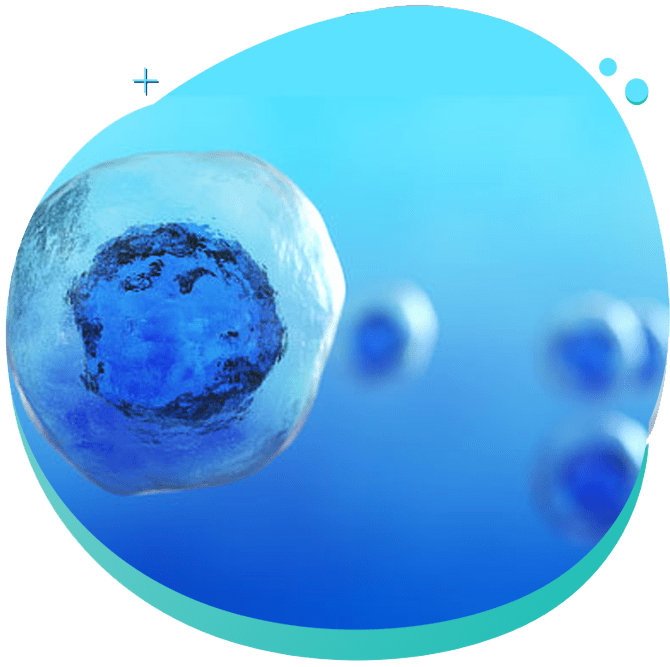
What is Graft versus Host Disease (GVHD)?
Graft versus Host Disease (GVHD) is a common side effect of any transplant when the immune cells of the recipient’s body do not recognize the donor’s cells and start attacking them, thus leading to failure of the transplant. The GVHD is usually associated with stem cell or bone marrow transplant, as well as other forms of tissue graft
GVHD is broadly categorized into 2 types, the acute and chronic where its symptoms can range from modest to serious. This can be especially life threatening if the stem cells of the related or unrelated donor regard the recipient’s body as foreign and do not adequately match the recipient.
How Does Stem Cell Preservation Work?
Order Your Collection Kit Online
Select a storage plan & order your kit online
↓
Sample Collection
Carry the kit to the hospital before delivery.
A paramedic will be sent for a seamless sample collection process
↓
Receive Digital Results
Receive expert-approved results online
↓
Find A Match
Get free access to matching units for transplant if needed
Note: No Risk of GVHD with Your Baby’s Own Stem Cells
Donor stem cells can increase the risk of Graft versus Host Disease (GVHD), where the donor’s cells attack the recipient’s body. By saving your baby’s own cord blood (autologous stem cells) this risk is eliminated, making treatments safer.
What are cord blood stem cells used for?
Cord blood stem cells are primarily used in treating blood and immune system disorders, including leukemia, lymphoma, and anemia.
They are also being researched for regenerative medicine and potential therapies for neurological and genetic conditions.
How long can cord blood be stored?
With proper cryogenic storage, cord blood stem cells can be preserved for decades without losing their therapeutic potential.
Many private banks, including in Singapore, offer long-term storage with advanced monitoring to ensure cell viability.
Are stem cells safe for newborns?
Collecting cord blood stem cells is safe, painless, and poses no risk to the newborn or mother.
The procedure is performed immediately after birth and does not interfere with standard delivery practices.
Where Do Stem Cells Come From?
There are several sources for stem cells, each offering unique hope for your child’s health and future. Cryoviva Singapore safely collects umbilical cord blood at a child’s birth, giving you access to valuable stem cells through private cord blood banking to make it ready for possible use later in life.
Other sources of stem cells include embryonic stem cells, which come from early embryos (3 to 5 days old). These cells can become any type of cell needed for healing or organ repair. Another source is adult stem cells, found in places like bone marrow or fat; however, they have a more limited ability to change compared to embryonic stem cells.
Preserve the safety net today for your family’s health tomorrow Learn more about our awards and accreditations.
|
FAQ's
Stem cells help manage blood-related conditions, including leukaemia, lymphoma, and anaemia. Research is ongoing for their beneficial role in brain and nerve problems like Parkinson’s and spinal injuries, heart failure and joint issues like osteoarthritis.
Cord blood banking means preserving the blood left in your baby’s umbilical cord right after birth. This blood contains stem cells that doctors may use someday to address serious illnesses in case of treatment failure.
Yes, siblings can sometimes share cord blood if it’s a genetic match (25% of a perfect match and 75% of a partial match), offering potential treatment options.

