
Blog
Spotting During Pregnancy: What’s Normal & When to Worry (Singapore Guide)
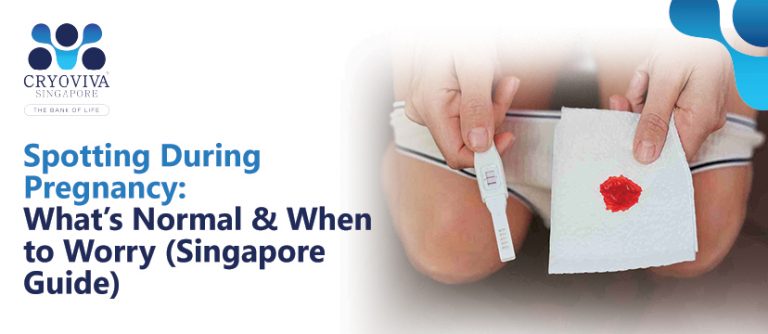
In pregnancy, one moment you’re glowing, the next you might worry that something unpleasant might happen. Do not worry; it’s normal, as many women during their pregnancy feel this way due to hormonal fluctuations. While avoiding stress is important, knowing what normal is and when to contact your doctor is also crucial.
Spotting is one of those things that can cause instant panic, especially when you are unaware of the changes that happen during pregnancy. In the absence of the right guidance, you might easily get confused about whether it is normal or not.
Hence, you should know that light spotting can happen in the first trimester of pregnancy and may be completely harmless, but anything heavy or persistent demands proper attention.
So don’t rely on hearsay; if you’re an expectant mother living in Singapore, Cryoviva Singapore (a known private cord blood bank) says to visit a nearby healthcare professional for accurate diagnosis and care.
Is It Normal to Have Spotting in Early Pregnancy?
Yes, it is common to have bleeding or spotting (light bleeding) during pregnancy, especially during the first trimester. This can happen for many reasons; hence, there is no need to panic or think something is wrong.
However, it could sometimes be a sign of something more serious; hence, contact your pregnancy care provider in Singapore if you have any type of vaginal bleeding at any time during pregnancy.
What Light Spotting During Pregnancy Looks Like
Here are the characteristics:
- Light pink, brown, dark red, or bright red discharge
- Sometimes mixed with watery (may look like cervical mucus)
- Thin or slightly thicker consistency
- Happens intermittently rather than as a steady flow.
Also Read: What Is a Cryptic Pregnancy? Causes, Signs & Risk
Bleeding vs. Spotting in Pregnancy
Here is the basic difference between bleeding and spotting in pregnancy, helping you understand when to worry and contact your doctor.
Key Characteristics | Slight Bleeding During Pregnancy | Bleeding During Pregnancy |
Amount | Few drops or streaks on underwear or toilet paper; don’t soak a pad. You see it in your underwear or on toilet paper when you wipe. | Heavier flow needing pads; soaks through. A flow of blood that’s greater than a drop here and there |
Appearance or Color | A few drops of pink, red or dark brown blood. | Bright or dark red, often with clots |
Approximate Duration of Flow | Hours to 1-2 days | Several days |
Consistency of Flow | Thin, watery, or similar to mucus. | Thicker flow |
Note: In both cases, schedule an appointment with the best doctor in Singapore to confirm everything is OK.
Why Light Spotting During Pregnancy Happens | The Possible Reasons
A light bleeding spot during pregnancy can happen due to many reasons. Some of the possible explanations are:
Implantation Bleeding
When a fertilized egg attaches itself to the uterine lining, it typically occurs around 6 to 12 days after conception. This can cause light spot bleeding (light pink, reddish, or brownish) lasting for a day or 2.
Increased Blood Flow to Cervix
Pregnancy increases blood flow to the cervix, making it fragile. During intimate moments, pelvic exams, or exercise, the cervix can become irritated, leading to a light blood spot.
Hormonal Fluctuations
Increased pregnancy hormones like progesterone induce changes in the cervix and uterus, leading to brief, light bleeding as your body adjusts.
Cervical Polyps
These are harmless growths on the cervix during pregnancy because of extra blood vessels and estrogen. Intimate activities or examination can make them bleed easily.
Blood Pools Between the Uterus Wall & Pregnancy Sac
This blood pool in the first trimester often resolves on its own, accompanied by light spotting.
Infections
Chlamydia, gonorrhea, and other sexually transmitted infections (STIs), or urinary tract infections (UTIs), can cause slight bleeding while pregnant. Your doctor may prescribe pregnancy-safe antibiotics to fix them.
When to Worry About a Blood Spot in Pregnancy
If you notice the following signs, consult your doctor immediately:
- If the bleeding is heavy enough to soak through a pad.
- Bleeding accompanied by blood clots.
- Heavy flow following severe pain, cramping, or back pain.
- Symptoms like dizziness or fainting,
- Bleeding accompanied by symptoms like fever or chills.
- Other signs of preterm labor, like water breaking.
- In the 3rd trimester, if the bleeding is heavy or accompanied by belly pain.
Conclusion
Refraining from taking advice from a non-professional source and learning the changes that happen during the pregnancy can make a huge difference. If you notice any kind of vaginal bleeding, consult your doctor so that they can rule out any pregnancy complications and make sure your pregnancy is healthy.
If you notice vaginal bleeding, notice these details:
- The color of the blood
- The consistency of the blood
- How much blood is there
After a proper diagnosis (ultrasound and blood tests), your doctor may recommend the following treatments for non-serious spotting during pregnancy:
- Relaxing and staying off the feet.
- Maintaining hydration.
- Refrain from intimacy.
- Avoid travel.
- Staying in the hospital if the bleeding is severe.
FAQ's
Does spotting mean 100% pregnancy?
No, spotting does not imply 100% pregnancy, as it can happen for non-pregnancy reasons such as infections, hormonal imbalances, or cervical issues. However, it can also signal early pregnancy signs such as implantation bleeding.
Can walking cause spotting in early pregnancy?
Pregnancy hormones raise blood flow to the cervix, making it more sensitive. This increased sensitivity means that activities such as intercourse, pelvic exams, or even vigorous exercise may cause light spotting.
How much blood is normal in early pregnancy?
There is no defined “normal” amount of blood loss, as any bleeding demands medical attention. However, light spotting because of implantation bleeding is considered normal in early pregnancy. It can happen when the fertilized egg attaches to the uterine lining.

